
Edison Pain and Rehab Center in Edison, NJ, provides specialized care for individuals dealing with nerve-related pain and discomfort. Nerve pressure can occur due to a variety of factors, including spinal misalignment, herniated discs, muscle tightness, or repetitive strain. When nerves are compressed, they may cause symptoms such as pain, tingling, numbness, or weakness in different parts of the body. Addressing the underlying causes of nerve pressure is essential for restoring comfort and improving overall function.
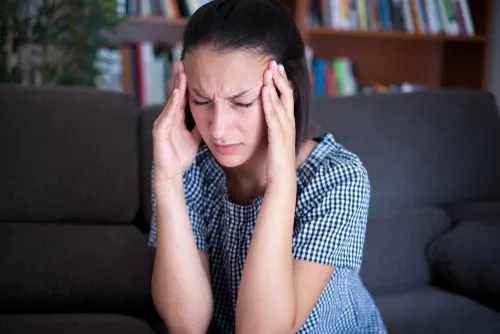
Understanding Nerve Compression
Nerve compression happens when surrounding tissues (such as muscles, ligaments, or spinal discs) exert pressure on a nerve. This can disrupt normal nerve signaling, leading to pain or altered sensation. Common areas affected include the neck, back, shoulders, arms, and legs. Left untreated, nerve pressure can worsen over time, causing persistent discomfort and limiting mobility. Understanding the source of compression is key to selecting the most effective techniques for relief.
Targeted Adjustments and Spinal Care
One of the primary methods for reducing nerve pressure involves targeted adjustments that restore proper spinal alignment. Misaligned vertebrae can pinch or irritate nerves, creating pain and dysfunction. Gentle chiropractic adjustments help realign the spine, relieve pressure on affected nerves, and improve the function of surrounding muscles and joints. By addressing alignment, these techniques support the body’s natural ability to heal and maintain proper nerve function.
Soft Tissue and Muscle Relief
Muscle tension often contributes to nerve compression by pulling surrounding tissues into positions that irritate nerves. Soft tissue therapies, including massage, myofascial release, and stretching, help relax tight muscles and improve blood flow. This not only eases pressure on nerves but also enhances flexibility and reduces the risk of further irritation. Combining spinal care with muscle-focused techniques provides a comprehensive approach to nerve relief.
Posture and Lifestyle Interventions
Everyday habits, including posture, ergonomics, and repetitive movements, can affect nerve health. Educating patients on proper posture, safe lifting techniques, and activity modifications helps reduce stress on nerves throughout the day. These interventions complement in-office treatments and provide long-term support for nerve function, ensuring patients maintain relief beyond their appointments.
Comprehensive, Personalized Care
Each patient’s experience with nerve pressure is unique, requiring a personalized treatment plan. Edison Pain and Rehab Center evaluates the source and severity of nerve compression to tailor techniques that address both immediate pain and long-term prevention. This comprehensive approach helps restore comfort, mobility, and quality of life.
Edison Pain and Rehab Center in Edison, NJ, offers targeted techniques designed to reduce nerve pressure and support overall musculoskeletal health. To explore personalized care for nerve-related pain and regain comfort, schedule an appointment today by calling (732) 317-4141.